
Quick answer
A hudson river cruise to west point typically departs from Manhattan's Pier 83 or Newburgh, taking between 90 minutes and three hours depending on the operator and vessel speed. The route passes the Palisades, Bannerman Castle, and Storm King Mountain before reaching the United States Military Academy campus perched above the river's western bank. Most tours operate May through October, with morning departures offering the clearest light for photography and landmark identification.
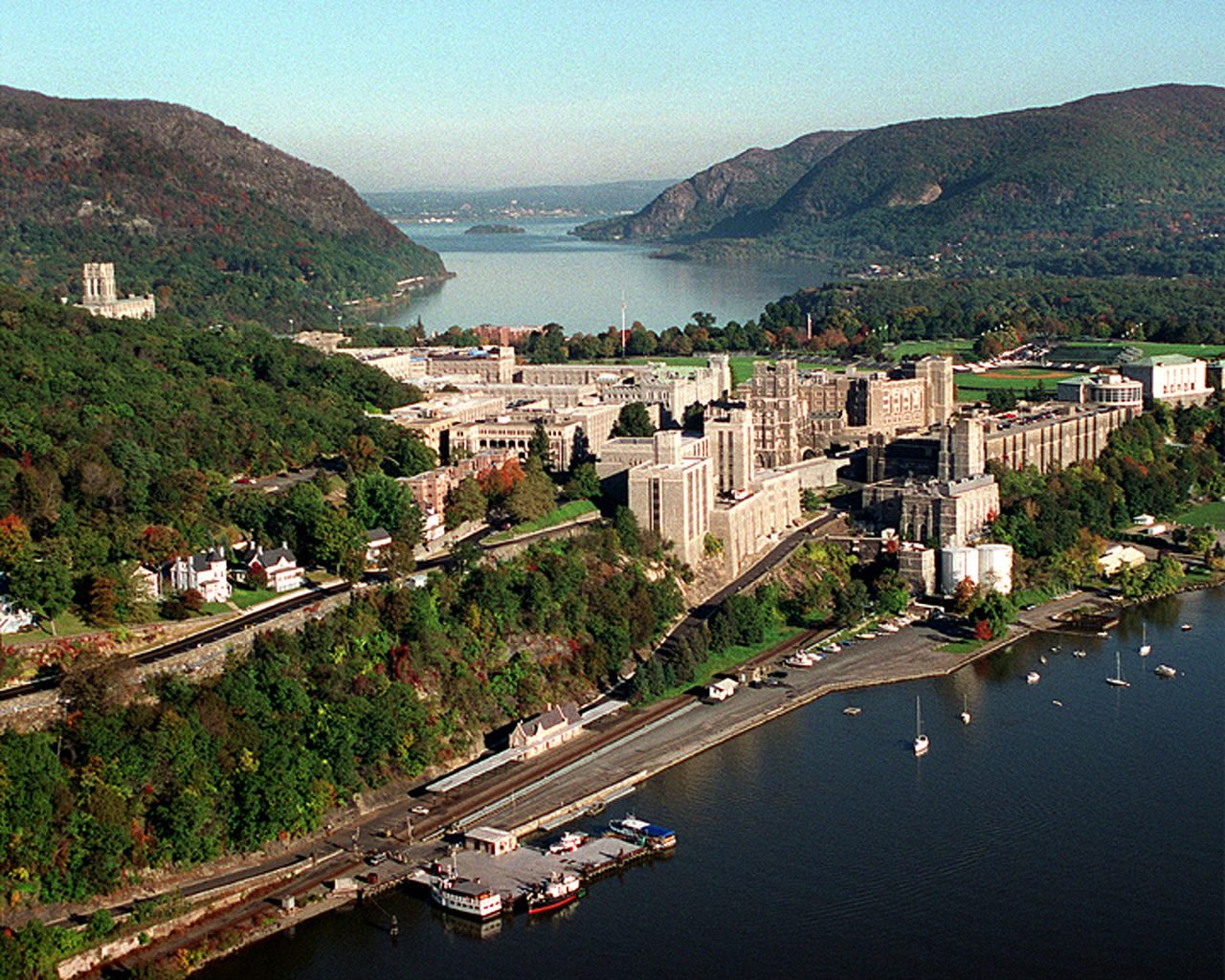
The Hudson narrows at West Point, creating a natural defensive position that George Washington identified in 1778. That strategic bend made the site ideal for a fortification, and later, a military academy. Today, tour boats retrace the same channel Continental Navy vessels once patrolled, passing beneath the cliffs where Revolutionary War-era forts still stand. Operators run two distinct cruise formats. Sightseeing excursions sail past the academy without docking, allowing passengers to photograph the Gothic Revival cadet barracks and trophy-studded parade grounds from the water. Combination tours pair the river voyage with a guided campus walk, requiring advance coordination with the academy's visitor protocols. Both formats follow the same northbound route, departing from Manhattan's Midtown piers or the commuter docks at Newburgh and Beacon. The 50-mile voyage unfolds in three visual acts. The lower stretch threads between the vertical Palisades and Manhattan's receding skyline. Mid-river, passengers pass the ruins of Bannerman Castle on Pollepel Island, a Scottish-style armory built to store military surplus after the Spanish-American War. The final segment enters the Hudson Highlands, where Storm King and Breakneck Ridge frame the river in forested slopes that ignited the American environmental movement in the 1960s. West Point appears as the river bends east, its stone buildings arranged in tiers above the water. The United States Military Academy campus remains an active training facility. Tours that include shore time follow designated visitor routes and require government-issued identification for all passengers over 18. River-only cruises impose no such restrictions, making them the simpler logistics choice for international visitors and families with young children. Seasonal schedules concentrate sailings between mid-morning and mid-afternoon, when natural light illuminates the academy's granite facades and the surrounding highlands reveal their full topographic relief.
“The Hudson narrows at West Point, creating the natural defensive position that George Washington identified in 1778 and that tour boats still navigate today.”
Planning Your Hudson River Cruise to West Point
Most Hudson River cruises to West Point operate as full-day excursions, departing mid-morning from Manhattan piers and returning by early evening. This itinerary reflects a typical round-trip schedule with approximately 6–8 hours on the water and ashore.
Departure from Manhattan Pier
Board your vessel at Pier 83 or the designated embarkation point in Midtown. Arrival 20–30 minutes early allows time for check-in and securing a preferred deck position for sightseeing.
Passing the Palisades
Cruise north along the dramatic basalt cliffs of the Palisades on the New Jersey shore. Narration typically highlights geological history and points out landmarks like the George Washington Bridge.
Approach to West Point
The vessel slows as the United States Military Academy comes into view on the western bank. Guided commentary covers the academy's founding in 1802 and its role in American military history.
West Point Dock & Campus Time
Disembark for a 2–3 hour visit to explore Trophy Point, the Cadet Chapel, and the museum if your tour includes campus access. Some cruises remain dockside with views from the river only.
Southbound Return Begins
Reboard and begin the return journey downriver. Afternoon light offers different perspectives on the Hudson Highlands and riverside estates.
Arrival Back in Manhattan
Dock at your original departure pier. Total cruise time spans approximately 8 hours including transit and any shore excursion.
Best Time of Day for a Hudson River Cruise to West Point
The optimal window for a Hudson River cruise to West Point is 09:00–17:00, providing the most favorable natural light for viewing historic landmarks. Choosing the right season enhances visibility and comfort throughout the river journey.
Late Spring (May–June)
Moderate crowdsMild, 65°F–75°F; clear river vistas. Ideal for capturing river scenery in consistent daylight.
Summer (July–August)
High peak crowdsWarm, 80°F+; frequent haze. Early departures within the 09:00 window are recommended.
Autumn (September–October)
Moderate to highCool, 50°F–70°F; vibrant foliage. Clear skies offer the highest visibility for landscape viewing.
Weekday mornings
Lightest passenger load—; stable river conditions. Best for a quieter experience on the water.
Verdict: The best time to visit is Tuesday to Thursday between 09:00–17:00 during the months of May or October.
Hudson River Cruise to West Point Fees and Costs
Access to the Hudson River itself is free, while costs for cruises and ferry services to West Point are determined independently by each commercial operator. Prices for these transit services vary based on the provider, vessel type, and departure point.
A typical adult pays only for the specific tour or ferry operator selected, with costs varying significantly based on the chosen service provider.
Getting to Your Hudson River Cruise to West Point Departure
Hudson River cruises to West Point typically depart from major terminals in Manhattan, such as Pier 83 or Chelsea Piers. Public transit or taxi services are the most direct methods to reach these riverfront locations.
Amtrak or Metro-North to Penn Station or Grand Central Terminal
1, 2, or 3 trains to 34th Street–Penn Station
Direct service to Hudson River piers
Ferry transit to Midtown West or West Side piers
Landmarks Along Your Hudson River Cruise to West Point
The journey from New York City to West Point passes several significant geographic and architectural landmarks along the Hudson River valley. These sites offer distinct vantage points from the water.
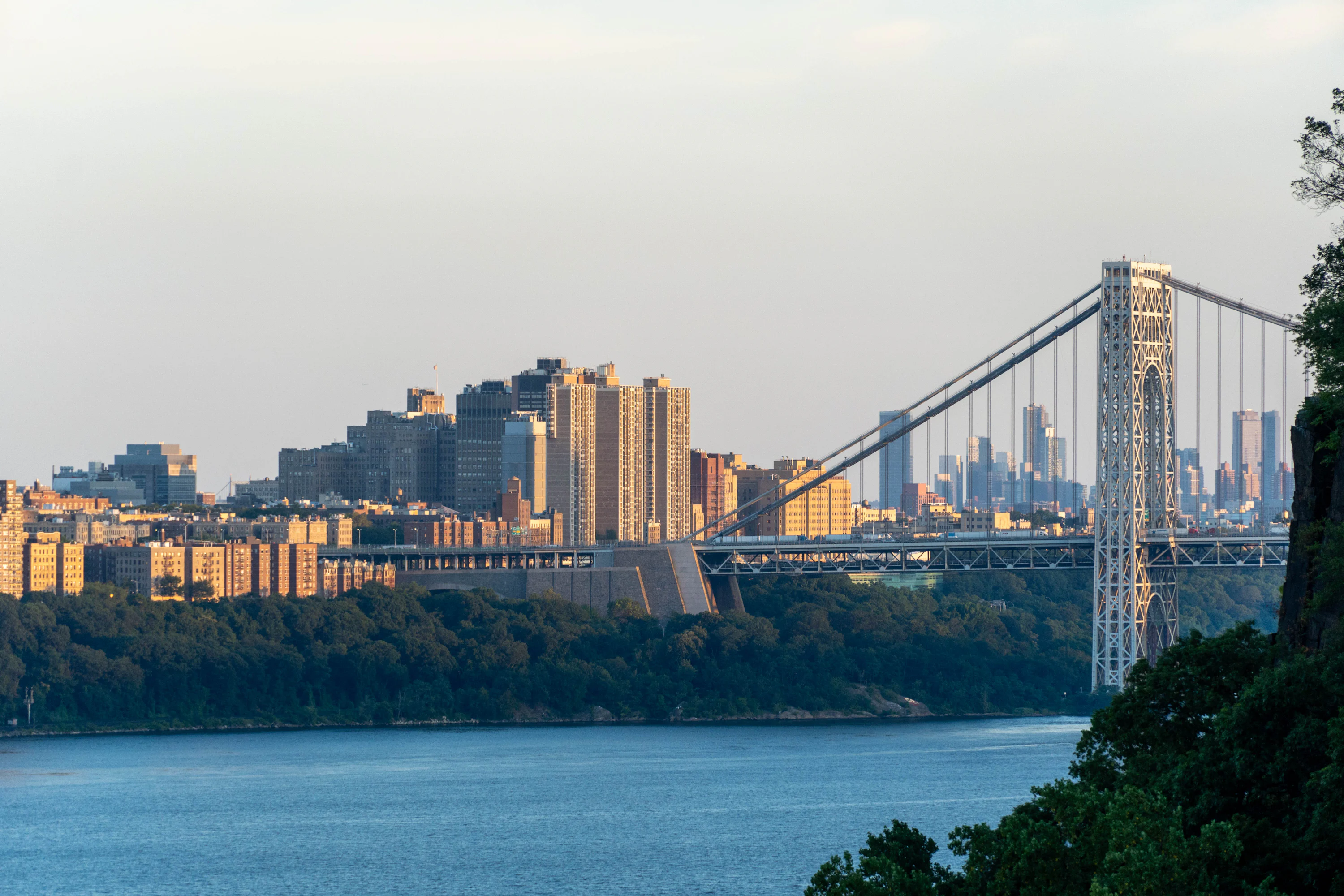
George Washington Bridge
A major suspension bridge connecting Manhattan to New Jersey, marking the transition from the city to the river valley.
View from the outer deck as the ship passes underneath.
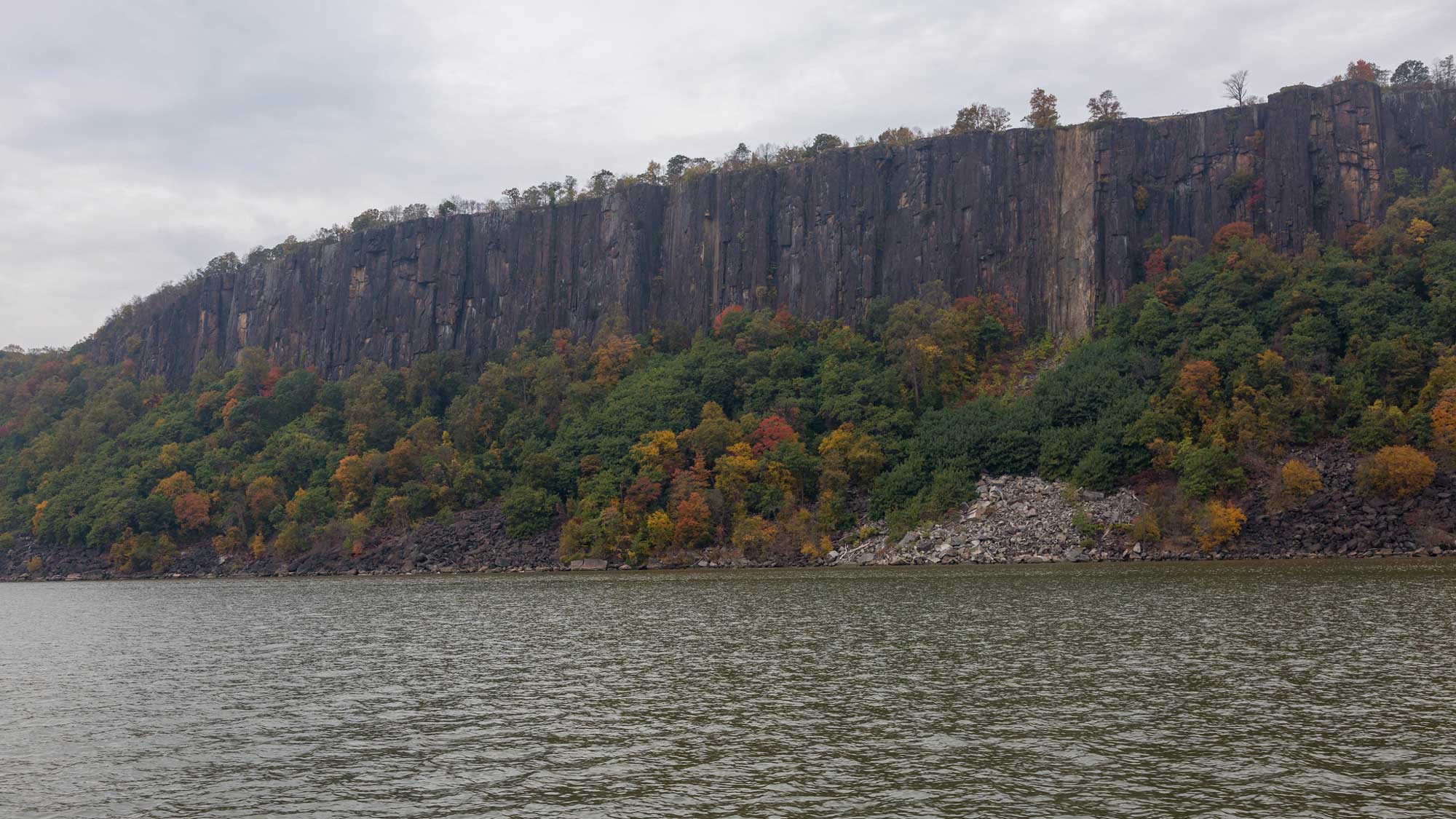
Palisades Interstate Park
These sheer basalt cliffs rise vertically along the western shore, offering a dramatic geological contrast to the river.
Watch the shoreline on the west side for cliff formations.
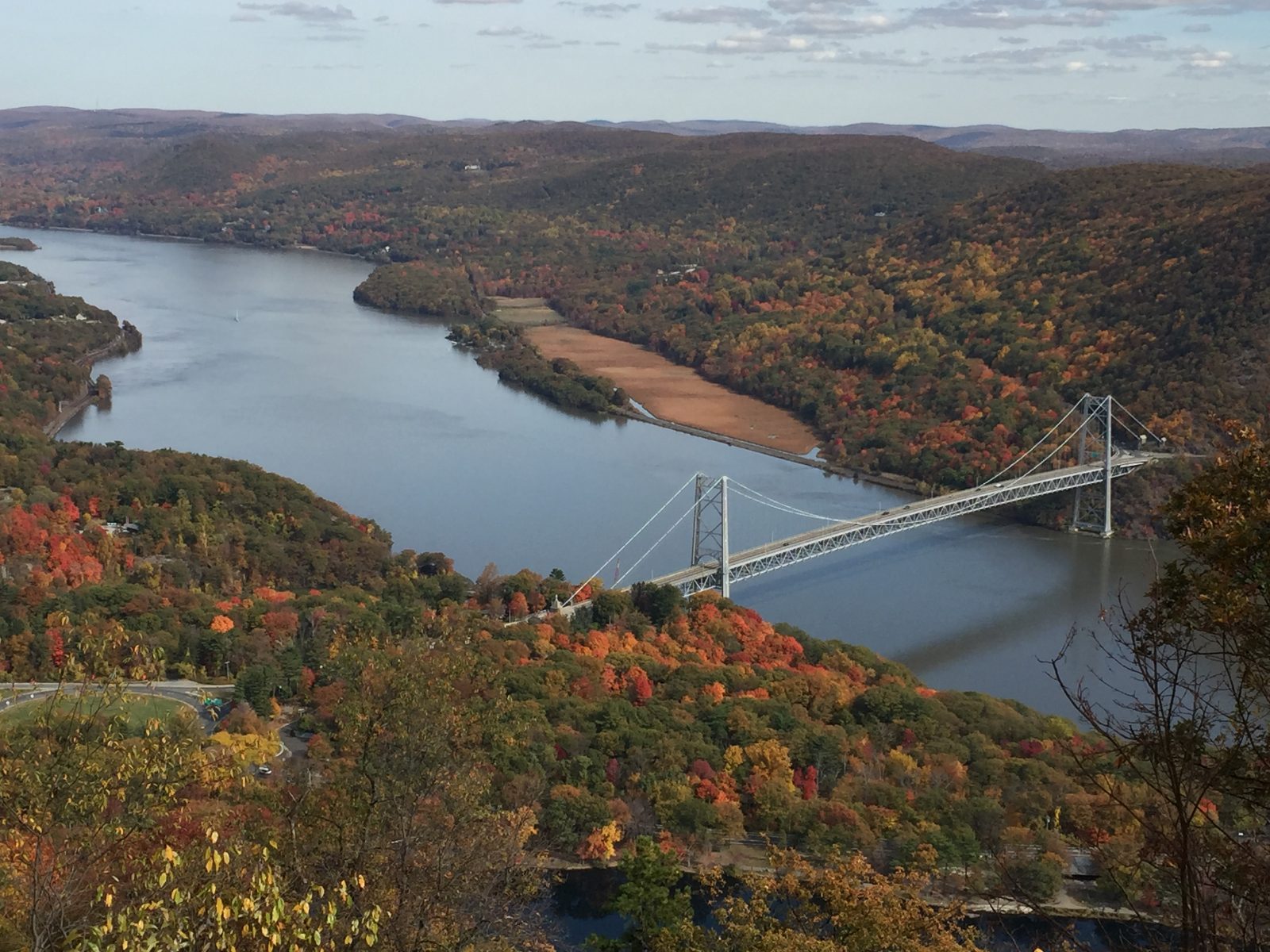
Harriman State Park
A large expanse of protected woodlands and mountains visible as the river narrows toward the highlands.
Observe the dense foliage and mountain contours during transit.
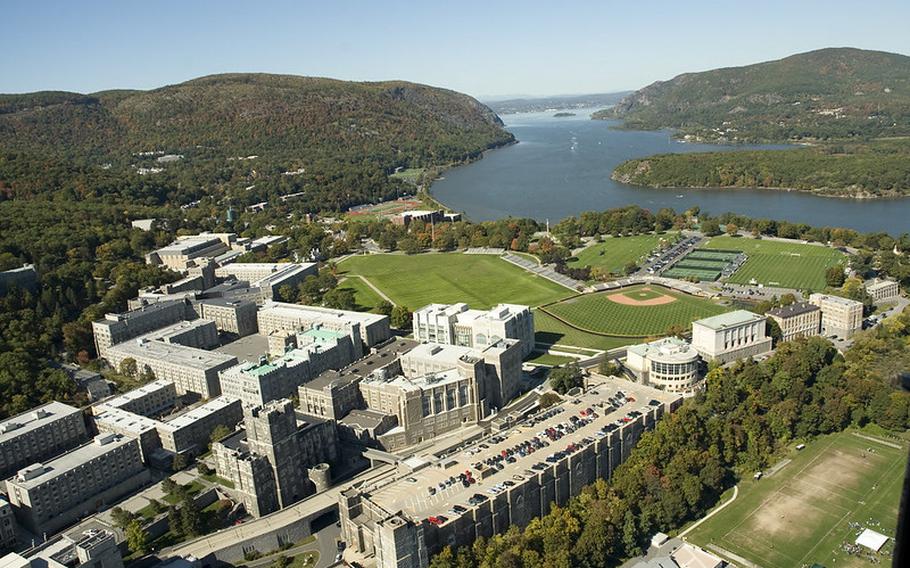
United States Military Academy at West Point
The historic garrison features Gothic Revival stone structures perched prominently above a bend in the river.
Scan the high western cliffs for the stone campus architecture.
Checklist for Your Hudson River Cruise to West Point
West Point cruises require advance planning for military base proximity and river conditions.
-
Book your cruise in advance — Popular departure times fill quickly, especially weekends and summer months.
-
Bring government-issued photo ID — Required for cruises entering or viewing restricted military zones near the academy.
-
Pack layers and a windbreaker — River temperatures drop 10–15°F below land, with wind chill on open decks.
-
Wear closed-toe, non-slip shoes — Boat decks become slippery from river spray and morning condensation.
-
Charge your camera or phone fully — The 50-mile route offers continuous photo opportunities of historic sites and the Hudson Highlands.
-
Apply sunscreen before boarding — Reflective water intensifies UV exposure even on overcast days.
-
Arrive 20–30 minutes early — Boarding procedures and safety briefings begin before scheduled departure times.
Check availability
Frequently asked questions about hudson river cruise to west point
Everything you need to know about hudson river cruise to west point